



Signs Your Suspension Needs Service
Don't Ignore What Your Buick or GMC Is Telling You
If you've been noticing your ride feeling rougher than usual lately, it might be more than just bad roads. At Clift Buick GMC in Adrian, MI, our service team sees it all the time — drivers who've been putting up with a bumpy, pulling, or clunky ride without realizing their suspension is trying to tell them something.
Knowing the signs of bad suspension early can save you from bigger repairs down the road. Let's talk about what those signals mean and when to act on them.
Key Takeaways
• Rough or bouncing ride: Often signals worn shocks or struts that need attention
• Uneven tire wear: One of the most overlooked early warning signs of suspension problems
• Pulling or drifting: Indicates steering and suspension issues that affect your safety
• Subtle changes matter: Changes in handling deserve a professional look
• Early inspection saves money: Catching wear early typically costs far less than waiting for failure

How Do You Know If Your Suspension Is Going Bad?
Your suspension system doesn't usually give out all at once. It sends signals — and most drivers feel them before they recognize what's actually wrong.
The most common signs show up in your vehicle's handling. If your car bounces excessively after hitting a bump, dips hard when you brake, or sways through turns more than it used to, those are classic worn shocks and struts symptoms.
Common Signs Your Suspension Needs Service
• Excessive bouncing: A "floaty" feeling after bumps
• Nose-diving: When braking or squatting when accelerating
• Pulling or drifting: To one side while driving straight
• Steering wheel vibration: Especially at highway speeds
• Strange noises: Knocking, clunking, or creaking sounds over bumps
• Uneven tire wear: Or premature wear on one or more tires
• Greasy residue: Visible on shock absorbers or struts
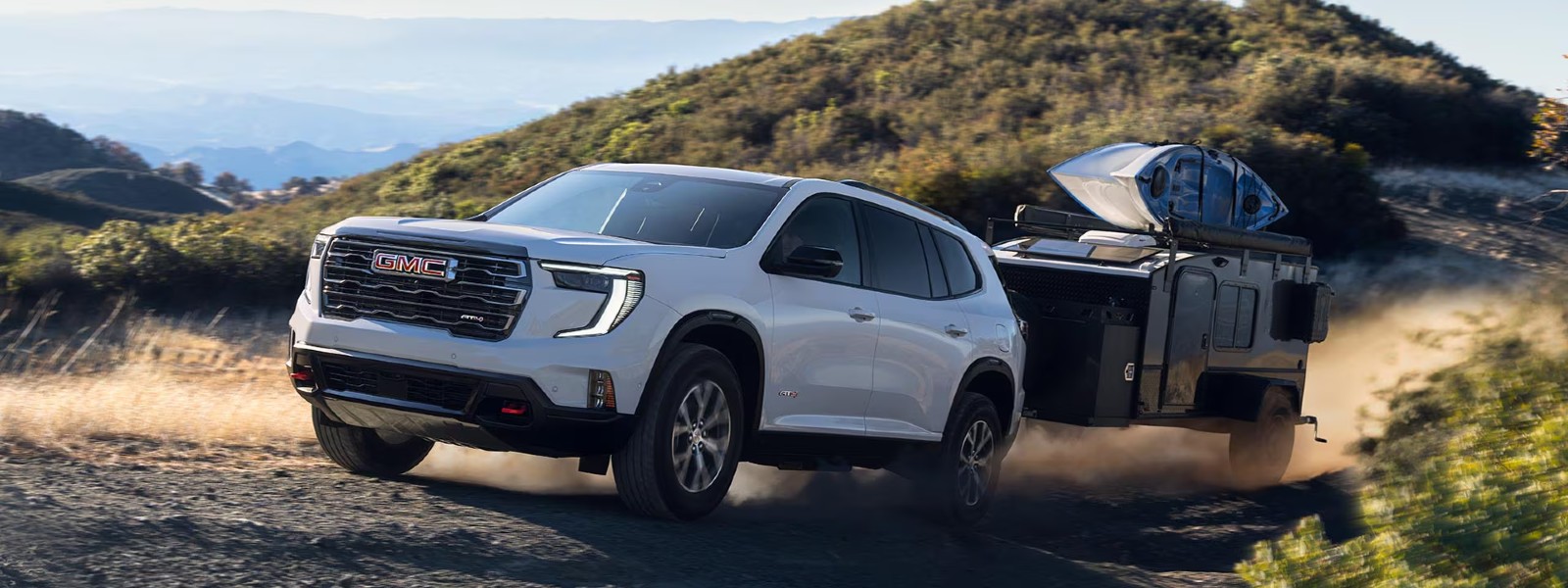
Suspension Challenges in Southeast Michigan
Here in southeast Michigan, the combination of harsh winters, road salt, and pothole-heavy pavement puts real stress on suspension components. Shocks and struts that might last longer in a milder climate can wear out faster here.
It's worth paying attention to how your vehicle handles — especially after a rough winter or a season of construction-zone driving. These roads test your suspension harder than most, which means staying alert to warning signs is even more important.
What Causes Suspension Problems, and How Long Do They Last?
Suspension components don't have a fixed expiration date — it depends on how and where you drive. For most drivers, shocks and struts begin to show noticeable wear between 50,000 and 100,000 miles. But that range can shrink quickly if you regularly drive on rough roads, carry heavy loads, or live somewhere with extreme temperature swings — like southern Michigan.
Gradual Changes Are Easy to Miss
Steering and suspension issues rarely appear out of nowhere. Most of the time, there's a gradual change in how the vehicle drives — a little more wander here, a little more bounce there. The problem is that drivers adapt to those changes without realizing it. That's exactly why periodic suspension inspections are worth acting on, rather than just bookmarking.

Is It Safe to Drive With a Bad Suspension?
In most cases, a vehicle with worn suspension is still drivable — but that doesn't mean it's safe.
A compromised suspension affects more than just ride comfort. It directly impacts your ability to steer, brake, and maintain control, especially in emergencies. If your shocks or struts are significantly worn, your stopping distance can increase, and your tires may lose consistent contact with the road. That's a real risk, not just a comfort issue.
Real Safety Concerns
The signs of bad suspension that seem minor — a little extra body roll, slightly vague steering — can become genuinely dangerous when road conditions change quickly. A sharp swerve to avoid an obstacle, a slippery road, or a sudden hard brake are exactly the moments when a healthy suspension earns its keep.
Your suspension is designed to keep all four tires in contact with the road — and when it fails, that contact is lost.
The Tire Wear Factor
Worn suspension components cause uneven tire contact, which chews through tires unevenly and faster than normal. You end up replacing tires sooner than you should and potentially dealing with blowouts from tires that wore down on one edge while the other still looked fine.
If you're noticing signs of worn shocks and struts, don't wait it out — schedule an inspection sooner rather than later.

Don't Ignore What Your Vehicle Is Telling You
Your suspension is one of those systems that rarely announces a dramatic failure. It just quietly gets worse until the ride is noticeably bad, the tires wear out, or — in the worst cases — something breaks at the wrong moment.
The good news is that Buick and GMC suspension service in Michigan is straightforward when you catch things early. At Clift Buick GMC in Adrian, our service team works on these vehicles every day. They know the common wear points, what Michigan roads do to suspension components over time, and how to get your vehicle handling the way it should.
Clift's Suspension Service Expertise
• Shocks and struts: Expert replacement and alignment
• Control arm bushings: Wear and replacement detection
• Full suspension inspections: Comprehensive diagnostics
• Michigan-specific knowledge: Road salt and winter wear expertise

Schedule Your Suspension Inspection at Clift Buick GMC
If any of this sounds familiar, it's worth getting it looked at. Scheduling a suspension inspection at Clift Buick GMC in Adrian, MI is an easy next step — and it's the kind of thing where a quick check can either give you peace of mind or catch something before it becomes a bigger problem.
The service team is ready to help, and getting an appointment is simple. Don't let suspension warning signs go unchecked.
Frequently Asked Questions
How do I know if my shocks or struts need to be replaced?
The clearest signs are excessive bouncing after bumps, a nose-diving feeling when braking, and increased body sway in turns. If your ride has gradually gotten rougher or your steering feels less precise, it's worth having the suspension inspected.
Can bad suspension cause tire wear?
Yes — worn shocks and struts cause your tires to lose consistent, even contact with the road, which leads to uneven and premature tire wear. If you're noticing cupping or scalloping on your tires, the suspension is often the root cause.
How long does a suspension inspection take?
A basic suspension inspection at a dealership service center typically takes less than an hour. The technician checks shocks, struts, bushings, tie rods, and related components for wear or damage.
Is suspension repair covered under warranty?
It depends on your vehicle's warranty status and the specific component. Normal wear items like shocks and struts typically aren't covered under a standard powertrain warranty. Still, it's always worth asking — especially if your vehicle is newer or you have an extended service plan.
What happens if I ignore suspension problems?
Ignoring suspension issues leads to worsening ride quality, faster tire wear, increased stopping distances, and reduced vehicle control. Over time, worn components can damage other parts of the suspension system, turning a moderately priced repair into a much larger one.
How often should I have my suspension inspected?
Most manufacturers recommend a suspension inspection every 50,000 miles or at least once a year if you're driving frequently on rough roads. If you notice any handling changes between intervals, don't wait — get it checked sooner.
Don't Wait — Get Your Suspension Inspected Today
Clift Buick GMC in Adrian, MI — Expert suspension service for your Buick or GMC!