



Tire Rotation & Balancing
Clift Buick GMC · Adrian, MI
Tire Rotation & Balancing
A slight vibration on the highway or a rougher ride than usual are often the first clues your tires need attention. Here is why rotation and balancing matter, and what to expect when you bring your vehicle in.
Before You Schedule
Key Takeaways
Tires Wear Unevenly
Steering and braking put extra stress on front tires, causing them to wear faster than the rear set without regular rotation.
Balancing Fixes Vibration
Small weight discrepancies in a tire-and-wheel combo cause high-speed vibration and extra suspension wear—balancing corrects it.
Every 5,000–7,000 Miles
Most manufacturers recommend rotation within this interval—an easy task to remember when paired with an oil change.
Watch for Warning Signs
Steering-wheel vibration, a rougher ride, pulling to one side, or uneven tread wear all point to overdue service.
Open to All Makes
Our factory-trained technicians service all vehicle makes and models, whether you bought your car here or not.
The Importance of Rotation & Balancing
Why Every Corner Wears Differently
Because each tire sits in a different corner of the vehicle, is steered differently, and carries varying drivetrain weight, each corner wears at its own rate. Front tires wear faster due to steering forces and braking weight transfer. Regular rotation prevents uneven wear patterns, helps tires last longer, and maintains consistent handling. Balancing—performed during the same service—corrects weight distribution differences across each tire-and-wheel assembly to reduce vibration and prevent premature suspension wear.
Front-to-rear or full cross pattern—the exact rotation follows manufacturer recommendations for your vehicle type.
Signs Your Vehicle Might Need Attention
What to Watch For
While these warning signs don't always demand immediate roadside service, ignoring uneven wear over time can lead to costly repairs and significantly shorten tire life.
Steering Wheel Vibration
A slight vibration felt through the wheel, particularly at highway speeds.
A Rougher Ride
The overall ride quality feels noticeably harsher or less smooth than usual.
Pulling to One Side
The vehicle tends to drift left or right when driving straight on flat roads.
Uneven Tread Wear
Noticeable tread depth differences between the front and rear tires.

How Often Should You Rotate Your Tires?
Every 5,000 to 7,000 Miles
Automakers generally suggest rotating tires every 5,000 to 7,000 miles. The easiest way to stay on schedule is pairing tire rotation with your regular oil change service. Frequent travel on unpaved roads, heavy towing, or high highway mileage may warrant more frequent checks.
What Happens During the Service
A Quick, Four-Step Appointment
Rotation
& Balance
Inspect
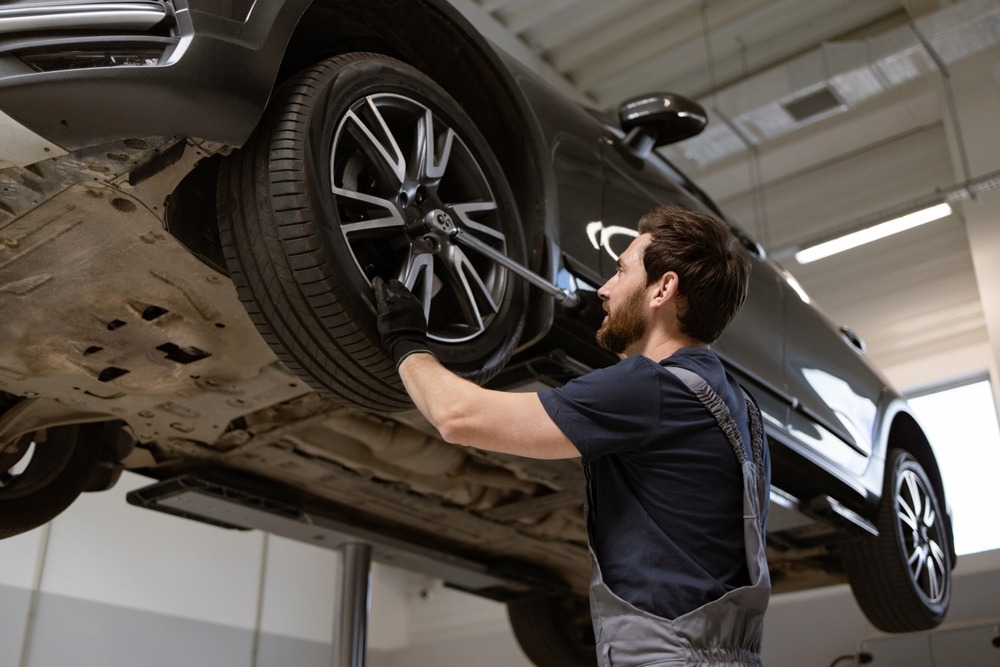
Each wheel is removed to check for uneven wear, inflation pressures, and tread damage.
Rotate
Tires are moved to their recommended positions—front-to-back, side-to-side, or cross pattern.
Balance
Each wheel assembly is spun on a precision balancer to locate weight imbalances.
Counterweight
Targeted weights are applied to correct imbalance, ensuring smooth wheel rotation.

Why Drivers Search for "Tire Rotation Near Me"
A Familiar Crew You Can Trust
When handling unexpected tire vibrations or routine maintenance, searching for "tire rotation near me" brings local drivers to our dealership service center. Working with our experienced team means dependable service without needing to re-explain your vehicle's maintenance history every visit.
Proudly Serving Adrian, MI
Factory-Trained, Every Time
Clift Buick GMC remains a trusted service destination for drivers in Adrian, MI, and surrounding areas. Our technicians are factory-trained on Buick and GMC models, keeping up with manufacturer service procedures to support optimal vehicle performance across all makes and models.
Protecting Your Investment
A Small Price for a Longer-Lasting Set
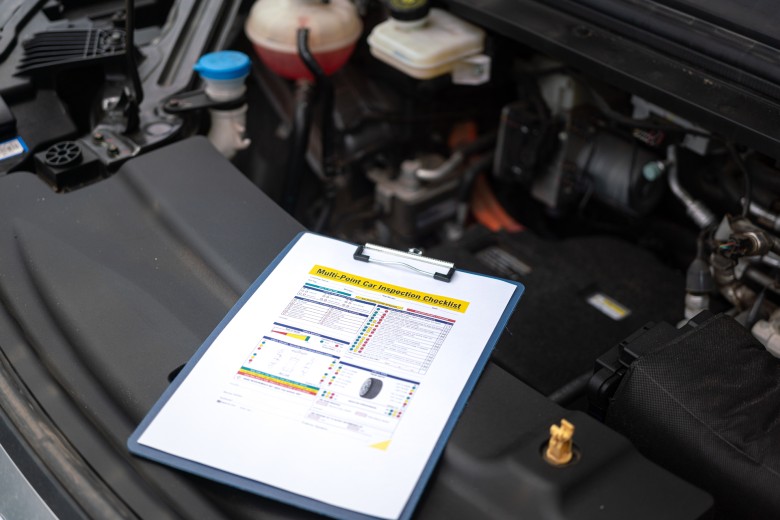
Tires are a substantial investment in your vehicle's safety and performance. Scheduled tire rotations and balancing protect that investment by delivering clear benefits over time:
- Extended tread life
- Optimized fuel economy
- A smoother, quieter ride
Schedule Your Rotation & Balancing Today
Schedule online or visit our dealership in person. The service team at Clift Buick GMC in Adrian, MI, is ready to assist with all your tire care needs.
FAQ