


Blog

All Adrian Buick Dealer Adrian Used Cars Adrian Buick Service Clift Buick GMC Service

5 Things Every Car Owner Needs

Are you a car owner? If so, you know that there are certain items and tools that every car needs in order to achieve optimal performance. From regular inspections to preventative maintenance measures, the proper upkeep of your vehicle is essential for long-term satisfaction out on the road. In this blog post, we'll be discussing five essentials every car owner should have in their arsenal; these will help ensure your mode of transportation stays running at its best. With easy tips and advice at your fingertips, you can remain proactive when it comes to keeping your automobile well maintained! Let's dive right into these five things – read ahead for more information. A comprehensive insurance plan - cover yourself against theft, damage, and liability Unforeseen circumstances can lead to costly expenses and extensive liabilities. A comprehensive insurance plan offers coverage from financial damages associated with theft, physical damage, and even potential legal liabilities. By investing in a comprehensive insurance policy, you can protect yourself and your loved ones from suffering any major financial losses due to unpredictable events. Take ownership of your finances and be prepared for anything life throws at you by investing in a comprehensive insurance plan that fits your budget today. Regularly scheduled maintenance - keep your car running in peak condition to prevent costly repairs Keeping up with regularly scheduled maintenance for your car is one of the most important steps you can take to prevent costly repairs and inconvenient breakdowns. The lifespan of your vehicle can be dramatically increased when you stay ahead of the wear and tear, which can be damaging to its parts if left unchecked. Common services like oil changes, tire rotations, fluid flushes, and inspections should be done as recommended by the manufacturer to keep your engine running smoothly and get optimal performance out of the vehicle. With regular maintenance, you'll not only save yourself money in the long-run but peace of mind knowing that your car is maintained safely on the road. Emergency roadside kit- including a spare tire, jumper cables, first aid kit and other items you need for an emergency An emergency roadside kit is essential for anyone driving a vehicle. Whether you're stranded on the side of the road due to an unexpected flat tire or you’re just feeling extra prepared, having a kit in your car can help you be ready for anything. The typical emergency roadside kit should include a spare tire and necessary tools to change it, jumper cables, reflective triangles, first aid supplies, water and nonperishable snacks, as well as flares and a flashlight with new batteries. Having these items in your car can give you peace of mind when traveling for long distances or during harsh weather conditions. It could also prove valuable in situations where there are no nearby service stations or stores to purchase these items if your car has broken down in a remote area. Be sure to check that all materials are kept up-to-date and maintained often so that you don’t get stuck with outdated supplies if you need them most. Knowledge of basic car repairs - from changing a tire to adding oil Knowing how to do basic car repairs is a valuable skill that can save you time and money. From knowing how to change out a flat tire to adding oil, there are numerous essential repairs that every car owner should know how to perform. Learning these simple fixes may require some instruction as well as practice, but the payoff could be big when you suddenly find yourself confronted with an issue that needs immediate attention. Having knowledge of basic car repairs will give you peace of mind, greater autonomy and the confidence that your car is running smoothly and safely. Quality repair shop - find a trusted mechanic who can diagnose and fix any issue your car may have An experienced and reliable repair shop can make all the difference when it comes to keeping your vehicle in prime condition. Finding a shop that has the right tools and knowledge to identify, diagnose and fix any issue your car may have is invaluable. Choose a shop with certified mechanics, who are familiar with all aspects of maintenance, from oil and filter changes to more complex repairs, so you can be sure that your needs are being met and that your car is in good hands. With the right quality repair shop on your side, you will be able to drive with confidence knowing that no matter what issues arise, you are getting reliable service when maintenance is necessary. Ultimately, having a comprehensive plan to keep your vehicle in the best condition possible can save time and money. That’s why it’s so important to invest in quality insurance and have regular maintenance checks, as well as an emergency roadside kit in case something goes wrong. In addition, taking the time to learn basic car repairs means that you can take care of minor problems on your own. And finally, make sure to find a quality repair shop to take care of any major issues - they should be honest and reliable, with fair pricing that offers you peace of mind when it comes to your car. With these five steps taken care of, you have done all you can do to protect both yourself and your vehicle for years to come. Our team at Clift Buick GMC is always ready to answer any questions you may have! Feel free to contact us at (517) 265-6107.
What kind automotive insurance is best for me? Is GAP insurance worth it?

Having the right automotive insurance coverage is essential for protecting your car and financial security. Not only does having auto insurance keep you prepared for unexpected expenses due to an accident, it’s also required by law in most states. But with so many different types of auto insurance available, how do you know which one is best for you? If you're asking yourself that very question - don't worry! This blog post will explain a few important types of auto insurance that can help protect your vehicle and give tips on whether GAP Insurance may be worth considering. Read on to learn more about how these coverages can help keep you safe on the road. What types of automotive insurance are available and which one best fits your needs Automotive insurance is one of the most important qualities of car ownership, as it helps to protect your financial future and peace of mind. Many policies exist, but the main three types are comprehensive, collision, and liability. Comprehensive covers damage or theft that occurs to your vehicle (beyond just another vehicle), collision covers damages resulting from a crash with another vehicle or object, and liability protects you should you cause damages and injuries to another individual. Depending on your budget, car model and driving habits, any combination of the three can best fit your needs. Take a moment to assess each type in order to determine which options are most beneficial for you and your vehicle. How to determine the best type of insurance policy I should purchase for my vehicle When determining the kind of insurance policy you should get for your vehicle, it's important to weigh the cost of premiums against how much coverage and peace of mind you'll receive in return. Assessing your budget and what potential risks there are for your type of vehicle, such as theft, vandalism, or unforeseen accidents, will help you determine which insurance is right for you. Gather quotes from multiple providers and compare their offerings before making a decision - some may include features that will be more beneficial for an individual buyer. Don't forget to review the fine print regarding deductibles, liabilities and additional benefits, too. With a bit of research and consideration, you can find the right insurance policy that'll meet all your driving needs. How to save money when selecting an automotive insurance policy Shopping around for an auto insurance policy is one of the smartest options for saving money. With a wide array of providers and varying plan options, it can be difficult to determine what type of coverage is best. However, if you take the time to research different companies and tailor a policy that covers your specific needs, you could see considerable savings on your next premium. Additionally, many insurers offer discounts for features like driving safety classes, car safety equipment installation, or good credit scores. Make sure to take advantage of each discount available in order to get the most affordable rate available. Understanding the basics of automotive insurance - what is GAP, who needs it, and how it works GAP, or Guaranteed Auto Protection insurance, is designed to cover the gap between what a car is worth and what is still owed on it. This type of automotive insurance can benefit anyone who has had a loan for their car, as it pays the difference between the car's value and the balance on any loans if the car gets stolen or totaled. For example, if your car is totaled in an accident and you owe $20,000 on it but its actual value is only $17,000 then GAP insurance would pay out the remaining $3,000 that was not covered by your primary auto policy. GAP coverage helps protect against financial loss in certain situations and can be especially beneficial to those with new cars who expect depreciation to go far beyond their loan payment amounts. How does GAP insurance complement other policies, such as liability or comprehensive coverage GAP insurance is an important addition to any car insurance policy that can help protect drivers from the financial burden of replacing a damaged or stolen vehicle. Not only does it help ensure that drivers will not owe more than the value of their car in case of an accident, it also stands to complement existing policies like liability or comprehensive coverage. By covering at least a portion of the cost to replace a vehicle, these policies provide an extra layer of protection against any unexpected expenses. Ultimately, pairing existing auto insurance protection with GAP insurance is a smart way for drivers to protect themselves and their vehicles no matter what life throws at them. The advantages of having GAP Insurance for different situations GAP insurance is a very beneficial policy for a number of scenarios, such as when your vehicle is totaled. If the amount you owe on the car is higher than the car's cash value, this policy will step in and cover the difference. It also offers financial protection if your vehicle is stolen or damaged beyond repair. An additional benefit of GAP insurance is that it can be melted into your existing car insurance coverage to keep costs relatively low. If you're in possession of an expensive luxury car or one with a high loan balance, then having GAP Insurance is well advised since it can potentially help save you thousands of dollars. Factors to consider when deciding whether or not to purchase GAP Insurance GAP insurance is a great way to protect your vehicle from unexpected costs. Before you purchase GAP insurance, it’s important to consider the cost of coverage and how long you plan to keep the car. It may also be wise to understand how much you owe on the car or if there are any applicable deductibles or restrictions related to the policy. Other factors that should be taken into account include whether there are any exclusionary provisions for certain makes and models of vehicles and if there are other payment options available besides an upfront single payment. Taking time to review each option carefully will help make sure that GAP insurance covers what you need in case of an emergency. Ultimately, understanding the basics of automotive insurance and GAP coverage is essential for making an informed decision when purchasing a policy. Choosing the right level of coverage will ensure that you are adequately protected in case of an accident or theft. GAP insurance can be particularly beneficial in certain situations, where there may be a gap between an insurance claim payout and the value of your vehicle. You should review all available policies to see which ones offer the best coverage at the most competitive prices. Be sure to take into account factors such as your car’s age, make and model when deciding whether or not GAP Insurance is right for you. With the correct knowledge and preparation, you can rest assured that you’re well on your way to finding the perfect automobile policy fit for your needs. If you have questions, contact an insurance agent or our team at 517-265-6107.

Don't ignore your vehicle's warning lights

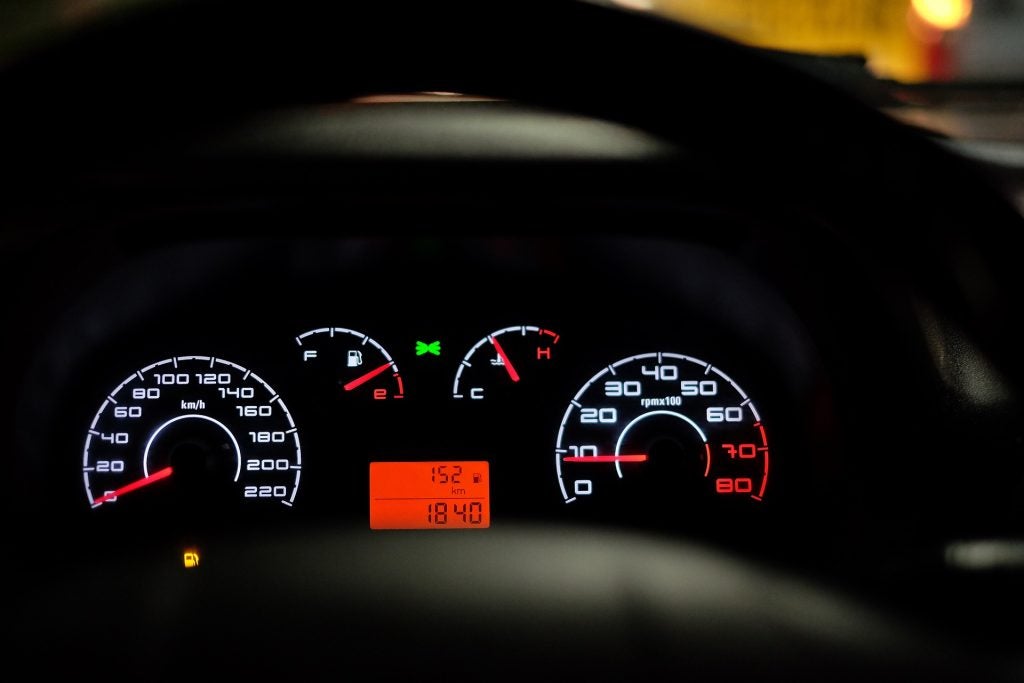
Warning lights on your car dashboard can be a source of frustration for many drivers. Not only are they visually unappealing, but they can also indicate that something is wrong with your vehicle and needs to be addressed. Ignoring these warning lights can lead to more costly repairs down the road. It's important to understand what warning lights mean, how to troubleshoot them, and how much you should expect to pay for regular maintenance and repairs in order to keep your car in good condition and minimize potential problems. In this blog post, we'll discuss why it's essential not to ignore warning lights on your dashboard, common warning signs you should look out for, steps you can take yourself before taking the vehicle into a mechanic, as well as tips on keeping your car running smoothly. What do the warning lights on your car mean? Warning lights on your car can be confusing and, if left unchecked, can lead to costly repair bills. In order to keep your car running correctly, it's important to familiarize yourself with what each light is telling you. For example, a red oil warning light usually indicates that the oil pressure or oil level is too low, while a yellow oil warning light might mean something like an overdue oil change. It is also helpful to recognize common symbols such as a battery for electrical problems, engine temperature gauges, and check engine lights. Paying attention to your dashboard warnings can help you to quickly identify and respond to potential problems before they become serious issues down the road. Why is it important to pay attention to them and address any issues they may be indicating sooner rather than later? It is important to pay attention to your vehicle’s warning lights and address any issues they may be indicating. Ignoring these warning signs can result in costly repairs or even dangerous situations. The earlier the issue is addressed, the less it generally costs to repair it. Along with this, the safety of you and your passengers depends on the proper functioning of your car's systems, so addressing any potential issues quickly is paramount. Make sure you understand what all of your vehicle’s different warning lights mean, so that you are better able to respond should they activate while you are out driving. How can ignoring warning lights lead to bigger, more expensive problems down the road for your car or truck? Your vehicle's warning lights are there for a reason. Ignoring them can lead to bigger, more expensive problems down the road. For example, if your low tire pressure light is on, continuing to drive on a low tire can cause the tire to overheat and fail. This can not only damage your tire, but also put you and other drivers at risk. So, next time you see a warning light, don't ignore it. What are some of the most common warning lights that drivers should be aware of and take action upon seeing them illuminated on their dashboard instrument panel? The most common warning lights are the engine oil light, which comes on when there is not enough oil pressure; the coolant temperature light, which comes on when there is an issue with the engine cooling system; and the check engine light, which comes on when there is an issue with any of the car's sensors. Taking action immediately upon seeing a warning light illuminated is important as ignoring it could cause larger issues later on. Are there any steps you can take yourself to troubleshoot certain issues before taking your vehicle in for repair, or is it always necessary to visit a mechanic when one of these lights comes on? While it isn't advised to conduct extensive vehicle repairs on your own, there may be some things you can do to investigate the issue further. Be sure to consult your owner's manual for insights into the light's message and meaning. If safe and applicable, turn off the engine and check the oil, transmission fluid levels and coolant hoses for damage or leakage. If further diagnostic procedures are needed, make sure to take your vehicle in for repair. Having an exact understanding of what triggered the warning light will give your mechanic a better idea of how best to go about addressing the problem. What are some tips for keeping your car in good shape so that you're less likely to experience problems down the road, and how much should you expect to spend on regular maintenance and repairs? Regular vehicle maintenance is essential for the longevity and dependability of your ride. Make sure to check your car's oil, wiper blades, brakes, and fluids in between servicing. Additionally, never ignore your vehicle’s warning lights or early indicators of trouble - such as strange noises or vibrations - as this can help you nip any potential issues in the bud before they escalate into more expensive repairs. To reduce unexpected costs down the road, give yourself a budget - generally annual servicing should cost around four-hundred dollars and ongoing minor repairs no more than two-hundred dollars anywhere else. As always, it’s important to keep up on regular maintenance so you can be sure you’re driving safe and sound. It's important to pay attention to your car's warning lights and take them seriously. By doing so, you can avoid bigger problems and expensive repairs down the road. There are some steps you can take yourself to troubleshoot certain issues before taking your vehicle in for repair, but it's always best to visit a professional mechanic. Staying on top of maintenance for your car is the best way to prevent major issues from occurring. Contact Clift Buick GMC today for assistance with keeping your vehicle healthy and running smoothly!

How to know its time for a new car

Owning a car is an important responsibility - and one of the key aspects to consider when making this investment is knowing when it’s time for a new one. It can be difficult to know when exactly the right time to make such a big investment, but with careful consideration of your lifestyle and budget, you can determine the best option for yourself. In this blog post, we will outline some tips that should be considered before taking the plunge into buying a new car. From issues related to vehicle age and cost-efficiency concerns – learning how to identify need versus want can help you make an informed decision! Consider the age of your current car When it comes to deciding whether or not you need a new car, the age of your current vehicle is one of the key factors to consider. With modern cars lasting longer than ever before, many people can drive their cars for up to 10 years and still get plenty of use out of them. However, as technology advances rapidly in the automotive industry, there are certain features that may be missing from older models that could improve your driving experience significantly. Additionally, if your car has been on the road for more than 8-10 years and seen its fair share of wear and tear, then it might be worth considering an upgrade. Analyze cost-efficiency issues with your current vehicle When it comes to cost-efficiency, one of the key indicators that you may need a new car is if you have had recurring repair costs or have been unable to resolve an ongoing issue. Constant trips to the mechanic can become a major financial drain over time, and if your car continues to require repairs or maintenance you cannot afford, it may be time to look for an upgrade. Additionally, assessing your fuel efficiency can be another helpful way of determining whether your current vehicle is still providing value for money. If you find yourself making frequent trips to the gas station, that could suggest that your car has become less efficient over time and should be replaced with a newer model that will consume less fuel. Examine how often you use your car and for what purpose Before heading out to the car lot, it is important to consider how you are currently using your existing vehicle. Ask yourself how often are you using it? What types of distances are you driving it and for what purpose? Depending on your answers, you may need a more reliable car that will last longer or require less maintenance, one with better fuel economy, or even a more robust option if your current car falls short on hauling capacity. Looking at how you're utilizing your vehicle now can give you a good indication if it's time for an upgrade. Evaluate whether a new car would better suit your lifestyle needs A new car is a significant purchase, and it’s worth taking some time to measure if you and your current vehicle are no longer a good match. Consider the size of your car compared to the lifestyle needs your family has that the vehicle is expected to meet. If it’s significantly bigger or smaller than what you need for comfortably going about your daily activities, you may need something in between these sizes. Additionally, assess the features and technology available in new models – does your current car have all the safety features that are important to you? Has gas efficiency improved significantly since when you purchased yours? Think about these aspects objectively and make sure a new car is truly worth making the investment in. Consider the total cost of ownership associated with buying a new car, including insurance, maintenance, and fuel costs When deciding whether a new car purchase is the right decision for you, it's important to consider all the associated costs of ownership. Insurance premiums and fuel payments can vary drastically based on make and model, while vehicle maintenance costs can be heavily influenced by age and condition. Researching these costs ahead of time can save you money in the long run, as well as provide extra insight into what kind of car would suit your needs. Knowing estimated expenses before signing on the dotted line will help you determine if a new car is the best choice. Research financing options available to help make purchasing a new vehicle easier on your wallet Purchasing a new vehicle is a significant financial decision, and it can be difficult to determine when the right time is. There are financing options available which can help take some of the pressure off of making such a large purchase. Researching different payment plans carefully and deciding ahead of time what your budget is can be beneficial for making that big decision about buying a new vehicle. After completing your own research, it may be beneficial to contact your local bank to discuss the financing options available to you. It’s important to take a holistic approach when deciding whether it is time for you to upgrade your vehicle. Carefully consider the size, features and technology available in new models that are suitable for meeting your needs. Additionally, research financing options and total cost of ownership associated with buying a new car before making any commitments. By doing this research ahead of time, you can make an informed decision on whether purchasing a new vehicle is the right choice for you. Clift Buick GMC has a full team ready to help walk you through the car buying process if/when you decide it is the right time. Call us at (517) 265-6107!

Driving in snow, how to stay safe!

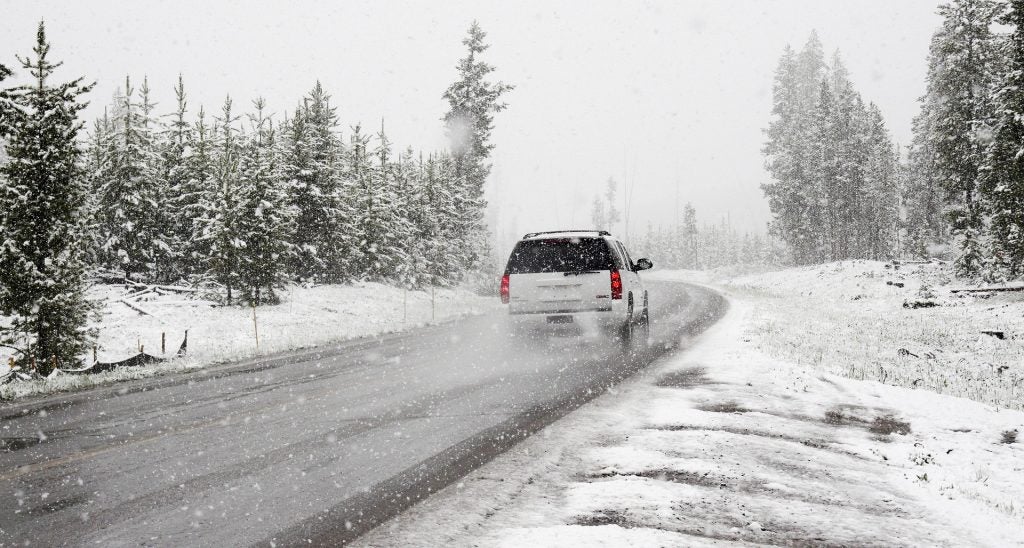
Driving in snow can be a daunting prospect for even the most experienced motorist. However, with the correct preparation and knowledge, driving in winter weather conditions can become a safe and enjoyable experience. In this blog post we will cover essential tips regarding driving safety to ensure your journey is as smooth as possible when travelling during icy or snowy conditions! Make sure your car is properly prepared for winter weather Make sure your vehicle is in top condition to ensure a safe and comfortable driving experience. Start by replacing the battery if it is more than three years old, then check all fluids - including coolant and oil. Make sure your wiper blades are in good condition and replace them if there are any cracks or streaks on the rubber. Ensure that tires are properly inflated and have plenty of tread left; correct tire pressure can help with traction on slippery surfaces. Consider carrying an emergency road kit in case you encounter inclement weather. Keep a safe distance from other cars and use your signals when turning When driving, it is essential to keep a safe distance from other cars on the road. This will ensure that there is plenty of space if an unexpected situation arises and you need to brake quickly - having a good distance between yourself and other cars will create more time and space for you to react safely. Additionally, another important practice to incorporate while driving is to use your signals when turning or changing lanes. Signaling not only alerts other drivers of your intentions but also serves as a form of courtesy and respect – indicating that you are paying attention to the situation around you. Following these rules of the road will help all drivers stay safe and aware. Watch for black ice on the road and take precautions when driving in slippery conditions When driving during winter months, it is important to watch for the presence of black ice. This occurs when the temperature dips below freezing, causing the surface of roads to be coated with a layer of clear ice, making them appear wet but actually quite slippery. It's essential to take precautions in order to avoid skidding and/or crashing on these dangerous surfaces. Slow down and drive with caution, especially on bridges or other exposed surfaces where black ice can form quickly. Stay alert and if you notice a patch of what looks like wet asphalt on the road ahead, expect that it might just be a spot with treacherous black ice! If you get stuck in snow, don't panic - follow these steps to get yourself out safely! Getting stuck in snow can be a scary experience, but with the right measures in place and some steady thinking, you can get out of it unharmed. First and foremost, remain calm and assess your vehicle’s situation before attempting to move forward. Make sure your wheels are well-gripped by gently observing if they are spinning. If not, consider changing to four-wheel drive or snow tires on icy roads to help improve traction. Secondly, try rocking back and forth gently by switching between reverse and drive gears. Give yourself plenty of time for this; make sure to only use very little pressure when pressing the accelerator so as not to damage the road surface further. Last but not least, seek assistance if you find that you need more assistance - you may want to call a tow truck or contact other drivers who have stopped nearby for assistance. Keep an emergency kit handy just in case! Following these steps should get you back on track in no time at all! Driving in snowy conditions can be dangerous if you're not prepared. Follow these tips to stay safe on the road this winter: make sure your car is ready for winter weather, keep a safe distance from other cars, watch for black ice, and be aware of your surroundings. If you find yourself stuck in the snow, don't panic - follow our simple steps to get yourself out safely. Clift Buick GMC is here to help you prepare for winter driving - contact us today at 517-265-6107 for assistance!

Your Car's New Years Resolutions

As we approach the new year, it's a great time to reflect on how far you've come and what you can do better in 2023. This holds true for your car as well! Your car is an essential part of your life, so why not make some New Year's resolutions for it? Taking the time to ensure that your vehicle is running optimally will save you money in the long run and help keep you safe on the road. Here are some suggestions for simple resolutions to get started: improving fuel efficiency, investing in regular maintenance checks, increasing safety on the road, upgrading technology features and committing to a greener lifestyle. By making these changes now, you'll be sure to have a safer and more efficient ride throughout 2023. Improve Fuel Efficiency Improving the fuel efficiency of your car is a great way to start the New Year off right. Whether you’re actively looking for ways to reduce emissions, or simply want to save on gas money, investing in better fuel efficiency can be beneficial for both your wallet and the environment. There are a few different tactics you can take—such as improving aerodynamics, optimizing tire pressure, changing driving habits, and regularly scheduling vehicle maintenance—all of which can lead to improved performance and reduced environmental footprints. So this year, do your part to reduce emissions: Take a look at how you can improve your car’s fuel efficiency! Invest in Regular Maintenance Checks Investing in regular maintenance checks for your car is essential to its long-term health. The most important maintenance check to keep up with is the oil change, which should happen every 3,000-5,000 miles. In addition to the oil changes, you should also make sure your vehicle gets a full inspection on a yearly basis. Regularly scheduling brake, transmission, and filter checks can help avoid costly repairs down the line. By committing to consistent car maintenance throughout the New Year, you will ensure that your vehicle stays safe and efficient for years to come. Increase Safety on the Road This New Year, resolve to be a safer driver. To start, make sure your car is in proper working condition and that any necessary repairs are completed. Additionally, take the time to brush up on the local traffic laws so you know what to expect while driving. Finally, practice defensive driving – be mindful of other drivers on the road and keep an eye out for possible risks or hazards that could lead to an accident. Taking the extra steps to stay safe will ensure you’re better prepared and can react accordingly in any given situation. So this year, focus on being a more responsible driver who puts safety first; it will help protect yourself and those around you. Upgrade Your Technology Features In 2023, upgrade your car’s technology features to keep up with the times. Invest in a Bluetooth-enabled audio system and hands-free calling so you can safely take calls on the road. Consider adding a rear-view camera for improved visibility when backing up, or upgrading to an infotainment system that can play music, access navigation maps and provide other convenient features. If you’re looking to reduce emissions, look into alternative fuel sources like electric vehicles or hybrid cars. By upgrading your technology features, you’ll enjoy a safer and more comfortable ride this year. Commit to a Greener Lifestyle This New Year, commit to a greener lifestyle. Start by driving your car less and taking advantage of public transportation or carpooling when possible. Research green fuels you can use in your vehicle and make the switch if possible. And lastly, commit to properly disposing of hazardous materials like oil and tires. These small steps can help reduce emissions and make your ride more eco-friendly while helping to prevent pollution around the world. So this year, choose a greener lifestyle for you, your vehicle and the planet. This year, make sure your car is running smoothly and safely by investing in regular maintenance checks and improving your fuel efficiency. Upgrade to the latest technology features for increased safety on the road, such as a Bluetooth – enabled audio system and a rear-view camera. And lastly, commit to a greener lifestyle by reducing emissions with alternative fuels and disposing of hazardous materials responsibly. By taking these steps you can ensure that 2023 is your car’s best year yet! For any assistance in making sure your car’s New Years Resolutions are successful, contact our professional team at Clift Buick GMC at (517) 265-6107.

What to look for when purchasing a used vehicle

Purchasing a used vehicle can be an incredibly daunting task, as there are many factors to consider. It's important to assess the market value of the vehicle, condition both inside and out, safety features and recalls, service history, your needs and wants for the vehicle, your personal finances/budget for the vehicle, and more. Your Budget When deciding what type of used car to purchase, it is important to consider multiple factors such as budget, usage, and other needs. As a first step, think about how you plan to use the car on a day-to-day basis - will it be used primarily for commuting or errand-running? Are you looking for a larger vehicle for family trips or weekend getaways? By evaluating your needs in advance, you can narrow down your options according to the features that are most important. Next, determine an appropriate budget range. Based on the type of car you are targeting and any additional features desired (such as sporty rims or upgraded audio system), prices can vary significantly from model to model. Research is key here; use multiple resources such as classifieds websites, consumer reports, and word of mouth recommendations to find the best possible deal. Your Finances It is important to understand your financial position. Start by assessing your income and expenses in order to calculate how much you can afford for the total cost of buying and maintaining a used car. Create a budget that factors in all potential costs such as registration fees, insurance premiums, routine maintenance services, fuel costs, parking permits and any other related costs. Additionally, if you do not have the cash available upfront for the purchase price you may need to consider financing options. Establish a realistic timeline for when you can realistically purchase the car based on your current financial situation - this will help avoid taking on more debt than necessary. With careful assessment and research into your financial position, you can easily make an informed decision when buying a used car. When researching to purchase a used vehicle, it is important to consider all costs associated with ownership such as insurance fees. As part of the research process, visit your local insurance provider and obtain quotes for insuring different types of cars. Keep in mind that different makes, models and year of production can affect premiums substantially – even more so compared to new vehicles. Additionally, don’t forget to factor in any deposits needed for purchasing documents such as registration or title expenses. All these costs need to be incorporated into your overall budget in order to have an accurate assessment of what you can afford when buying a used vehicle. Finally, take into account any future maintenance costs associated with owning a used car. Even if the initial purchase price is attractive, consider whether you have the necessary budget set aside for unexpected repairs down the line. By doing these things prior to making your purchase decision will better ensure that it's the right one for you. The Vehicle When looking at market value, it is important to research thoroughly across multiple sources to ensure you have an accurate idea of what the vehicle is worth in its current condition. Another factor to consider is the overall condition of the car – both inside and out. Pay attention to any dents or scratches on the exterior and make sure that all functions such as windshield wipers, air conditioning, heat, power windows/locks work properly. Safety should also be a top priority when selecting a used vehicle. Research potential recalls related to that make and model of car; if applicable, confirm that these issues have been addressed by a qualified professional prior to purchase. It's also wise to inquire with the seller about previous service records, as this will provide an indication of how well (or not) the vehicle was maintained over time. Test Driving Test driving a used vehicle is an essential step before purchasing. Doing so can help you get a better feel for the car and make more informed decisions. When taking a test drive, look out for any mechanical issues such as jerking while changing gears, difficulty accelerating or braking, etc. Pay attention to sounds like grinding brakes or engine noises – these can be indicators of further problems down the line if not addressed properly at the time of purchase. Also inspect the interior to make sure everything looks and functions as expected. During your test drive, be sure to check all safety features and see how responsive they feel when in use; this will give you a good idea about what kind of condition the car is really in. Ultimately, purchasing a used vehicle requires due diligence and thorough research prior to signing any paperwork; do not be afraid to ask questions or walk away if something doesn't feel right. Following these tips can help you drive off with peace-of-mind knowing that you made an informed decision about your purchase! If you are in the market for a quality pre-owned vehicle, contact our Clift Buick GMC sales team today at (517) 265-6107, we would be happy to guide you with your purchase.

Don’t Let Winter Leave Your Vehicle Out in the Cold: Practical Car Maintenance Tips for the Season

Winter driving can be a challenge but proper preparation and maintenance are the keys to ensuring your safety. Taking care of your vehicle during the colder months is essential for keeping your car or truck running reliably and avoiding costly repairs. Here are some tips for taking proper care of your vehicle in winter: 1. Check your battery - Cold temperatures can cause batteries to deplete more quickly, so make sure you get it tested regularly to ensure it’s in good condition. Checking the status of your car battery is an important part of winter maintenance. You can test the charge level and its ability to hold a charge with a voltmeter or an electronic load tester. A visual inspection should also be done by looking for any corrosion on the terminals, signs of damage, or leaks. If you find any problems, it’s best to have it replaced immediately. Properly charged and maintained batteries will help your vehicle run reliably during the winter months. 2. Check fluid levels - Make sure all fluid levels (engine oil, power steering fluid, transmission fluid) are up to par to prevent freezing issues. Checking your car fluids is essential to ensure they don't freeze during the winter months. Start with the engine oil, as a low oil level can cause friction and other issues to arise. Ensure the right grade and quantity of oil is being used and it isn’t contaminated or dark in color. Secondly, check the power steering fluid and make sure it isn't leaking or has sediment in it. Third, check transmission fluid for any signs of worn-out components, bubbles or sludge. Lastly, top off radiator coolant with a 50-50 mix of antifreeze and distilled water so that your engine won't overheat during cold weather driving. A periodic inspection of all these fluids will help prevent freezing and potential damage to your vehicle in the winter season. 3. Tires - Make sure you have an adequate amount of tread on your tires as well as check tire pressure regularly to keep yourself safe on the roads in winter conditions. Keeping your tires in good condition throughout the winter months is essential for safe driving. Make sure to check the tread depth with a penny test, as it should be at least 2/32 of an inch. Also inspect the sidewalls for any wear and tear, such as bulges or uneven patches. Additionally, check the air pressure level to ensure it matches what’s recommended in your owner’s manual. If your vehicle is equipped with winter tires, they should be inspected regularly to make sure they are not worn out and still provide adequate grip on icy roads. Lastly, if you live in an area where salt is used to de-ice roads, make sure to clean off your tires once in a while since salt can cause corrosion over time. 4. Lights - Check that all exterior lights (headlights, taillights, turn signals) are working properly both for safety purposes and to avoid getting pulled over while driving at night. Regularly checking your vehicle's lights is an important part of safe driving in the winter months. Begin with the headlights, as they are essential for navigating in low visibility and for providing directional warning to other drivers on the road. Make sure there aren't any cracks or broken lenses that could impair performance. Check the bulbs to ensure they are producing enough light and that their temperature settings are correct. Also check all turn signals, brake lights, and fog lamps. If you have loading lamps, make sure they are wired properly and check that the connection is tight to avoid voltage fluctuation during operation. Lastly, check all hazard light switches so you can use them immediately, if necessary, in an emergency situation. 5. Wipers - You’ll want to make sure your windshield wipers are in good condition and able to tackle harsh winter precipitation like snow and ice in order for visibility when driving at night or during storms. Inspecting your vehicle's windshield wipers regularly is key to staying safe on the roads during the winter. Start by checking for wear and tear as this can cause streaks or even a lack of visibility when it rains or snows. Make sure your wipers are properly tensioned and that they can clean off snow and ice quickly. If they are made of rubber, replace them at least once a year since they tend to dry out over time due to temperature fluctuations. You may also want to consider switching to winter blades, which have a denser frame structure designed to keep snow buildup off the windshield. Additionally, make sure you always keep a window washing liquid in your car so you can use it after clearing frost, ice, or snow either with tools or with the wipers themselves. By following these simple steps, you can make sure that your vehicle will be ready for the cold weather and help make winter driving more enjoyable! If you would like a certified technician to make sure your car is winter ready come into Clift Buick GMC.

Coming Soon!

Check back in soon for new content! We look forward to sharing all things Clift Buick GMC with you!

Contact Us

Fill out this form below and we'll contact you shortly
*Required Fields